


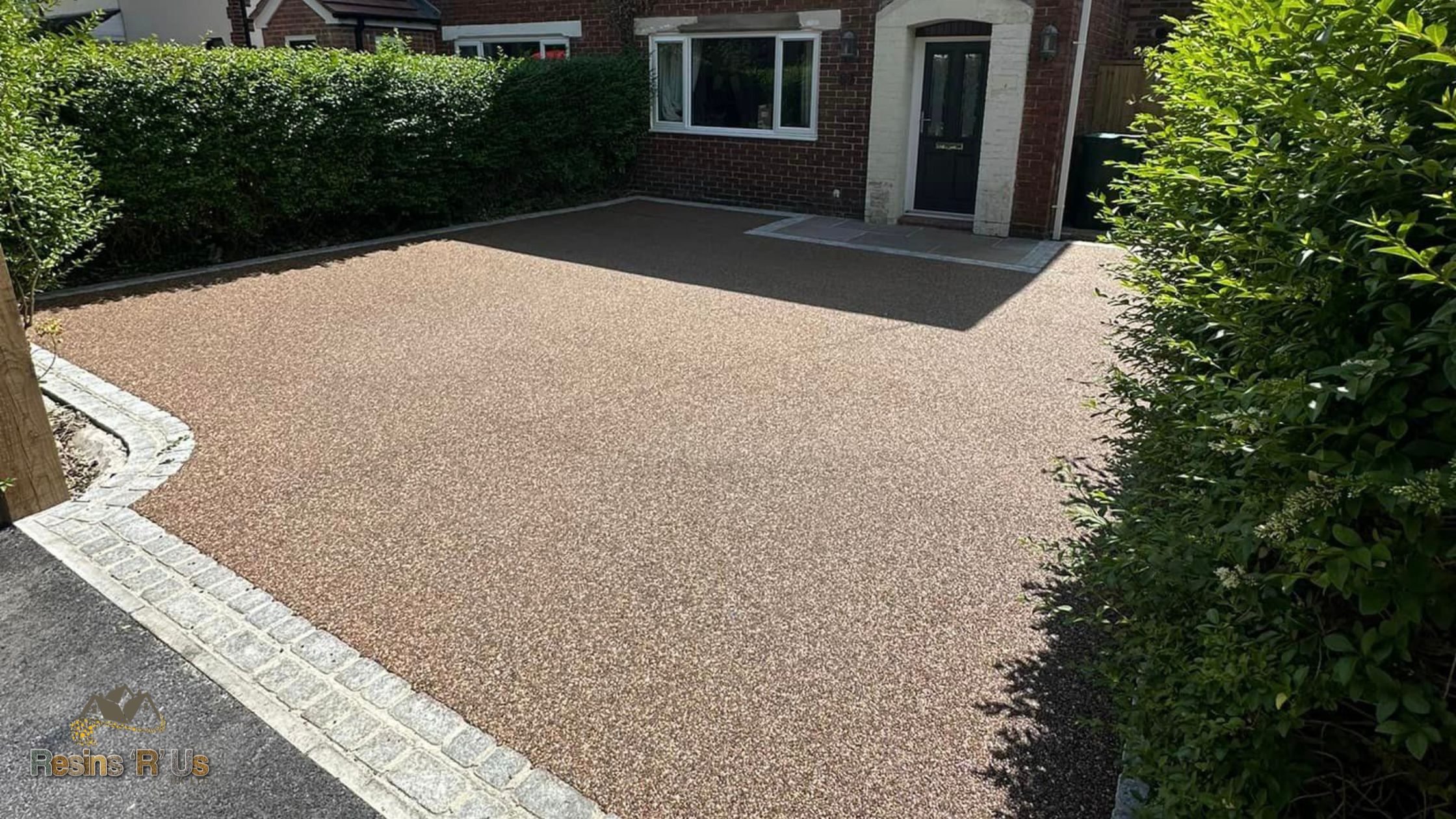
Installing resin-bound surfaces requires careful consideration of weather conditions to ensure a durable and aesthetically pleasing result. Weather can significantly impact the installation process and the quality of the finished product. In this blog post, we will outline some best practices to consider for a successful resin-bound installation under various weather considerations.
What Are The Optimal Weather Conditions For A Resin-Bound Installation?
For the best results, you should aim to install resin-bound surfaces in dry, mild weather conditions. Ideal conditions include:
- Temperature: Between 10 °C and 25 °C
- Humidity: Low to moderate
- Dry Weather: Ensure no rain is forecast for at least 24 hours post-installation (which we know can be difficult in the UK!)

Preparing For Hot Weather
High temperatures can cause resin to cure too quickly, making it difficult to work with and potentially compromising the surface quality.
- Try to schedule work during cooler parts of the day, early morning or late evening
- Use tents or tarps to shade the work area from direct sunlight
- Ensure you store aggregates in a cool dry place
- Consider having extra manpower for a project to ensure swift application and smoothing
Handling Cold Weather
Cold weather can also pose a challenge to laying resin. Cold weather can slow down the curing process, which could delay project completion and increase the risk of surface defects.
- Look into storing your resin product in a warm place
- Use portable heaters to warm the installation site if necessary
- Allow extra time for resin to cure fully before subjecting it to any load
Dealing With Humidity and Rain
High humidity and rain can affect the resin’s curing process and lead to surface issues such as poor bonding.
- Avoid installation during or immediately after rain
- Check the weather forecast in the area to ensure dry conditions for at least 24 hours after installation
- Use tarps or waterproof covers to protect the curing surface if unexpected rain occurs
Wind conditions
Wind can cause debris to settle on the uncured resin surface and can also affect the mixing process.
- Choose a sheltered location or set up windbreaks around the installation area
- Keep the site clean and free from loose debris that can be blown into the resin

Seasonal Tips
Spring
Be aware of sudden unexpected rain showers. Make sure you are prepared for fluctuating temperatures by monitoring the weather forecasts daily.
Summer
Focus on early morning or late evening installations to avoid working in peak heat.
Autumn
Watch out for leaves falling from surrounding trees and increased rain. Use protective covering and clear the site of any debris regularly.
Winter
Avoid installing during freezing conditions. Use heaters and warming techniques to maintain suitable resin and aggregate temperatures.
By understanding and preparing for various weather scenarios, you can ensure high-quality, durable surfaces that meet client expectations. It’s important to monitor weather forecasts for your upcoming projects and train your team to make quick decisions if unexpected weather changes occur during the installation process.
How Can We Help?
At Resins ‘R’ Us we provide a training course to equip you with the knowledge and skills to start laying your own resin. We train individuals and organisations to the highest standard. Find out more by visiting our approved installer training page or get in touch.

